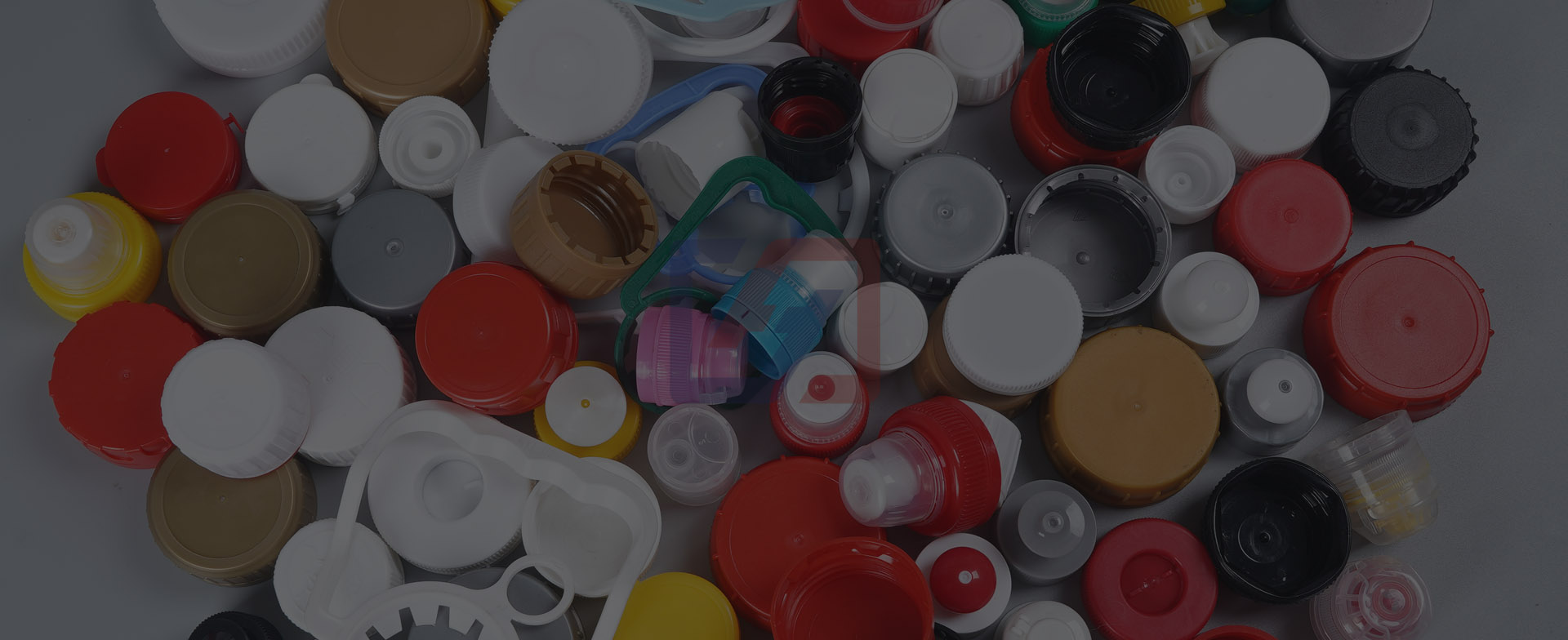
Cap Mold Demand Growth in Asia-Pacific, Europe, and North America: Key Drivers and Opportunities
Author: cap-bottle Global Tooling & Market Engineering Team | Published: November 2026
1. Introduction: The Global Surge in Precision Cap Mold Engineering
Across the global beverage, food, pharmaceutical, and personal care packaging sectors, plastic closures have evolved from simple sealing components into highly engineered, sustainability-driven packaging systems. Rising urban consumption, strict regulatory mandates on single-use plastics, and aggressive resin lightweighting targets are accelerating demand for high-precision, multi-cavity cap molds across Asia-Pacific, Europe, and North America.
As a specialized Chinese manufacturer dedicated to high-performance bottle cap molds and turnkey closure tooling solutions, cap-bottle tracks regional regulatory shifts and technical requirements closely. Understanding how demand drivers differ across these three core markets enables packaging producers to invest in the right cavitation, hot runner architecture, and neck-finish geometry for maximum return on investment.
2. Asia-Pacific: High-Volume Scale, Rapid Urbanization, and Cost-Per-Part Efficiency
Asia-Pacific represents both the largest consumer base and the fastest-growing manufacturing hub for packaged bottled water, ready-to-drink (RTD) teas, dairy beverages, and edible oils. Rapid urbanization and expanding middle-class consumption in Southeast Asia, India, and China continue to fuel massive volume expansion.
Key Demand Drivers in Asia-Pacific
- High-Cavitation Productivity: Bottlers and converters in Asia-Pacific prioritize maximum output per square meter of factory floor space, driving strong demand for 48-cavity, 72-cavity, and 96-cavity plastic closure molds capable of running continuous sub-4.5-second cycle times.
- Aggressive Resin Lightweighting: With raw HDPE and PP resin representing the dominant cost variable, regional brands are rapidly transitioning from legacy 30/25 and PCO 1810 closures to ultra-lightweight 26/22 GME 30.37 and 29/25 water caps weighing under 1.1 grams.
- Smart Factory Integration: Converters are upgrading to all-electric injection molding presses paired with automated vision inspection and slitting/folding machines, requiring molds with ultra-tight dimensional repeatability (≤ ±0.01 mm).
Tooling Opportunities for Converters
Success in Asia-Pacific requires cap molds engineered with naturally balanced valve-gate hot runners, high-conductivity beryllium-free copper-alloy cooling inserts, and hardened S136 / Stavax ESR cavity steels that sustain millions of cycles with minimal maintenance downtime.
3. Europe: Regulatory Leadership, Tethered Caps, and Circular Economy Compliance
Europe stands at the forefront of packaging sustainability legislation. Regulatory frameworks—including the EU Single-Use Plastics (SUP) Directive and the Packaging and Packaging Waste Regulation (PPWR)—have fundamentally reshaped closure engineering across the continent.
Key Demand Drivers in Europe
- Mandatory Tethered Cap Adoption: Following the EU mandate requiring plastic beverage caps to remain attached to containers up to 3 liters, European converters face ongoing demand to retool existing lines and launch new tethered cap molds featuring precision-molded hinges, retention bands, and tamper-evident (TE) bridges.
- High-Percentage rHDPE & rPP Processing: Brands across Western and Northern Europe are incorporating 30% to 100% post-consumer recycled (PCR) polyolefins into closures. Because recycled resins exhibit broader melt-flow index (MFI) variations and higher thermal sensitivity, molds require streamlined melt channels and superior venting to prevent stress whitening and short shots.
- Mono-Material & Linerless Sealing: To improve recyclability, European beverage and dairy brands are replacing multi-material EVA-lined closures with precision-engineered linerless bore-seal and valve-seal closures, demanding micron-level core-to-cavity concentricity.
Tooling Opportunities for Converters
cap-bottle supports European closure manufacturers with custom-engineered tethered cap mold architectures—featuring precision-ground collapsible cores, independent stripper-ring actuation, and zero-flash hinge geometry—that eliminate costly post-mold slitting bottlenecks while maintaining consumer-friendly opening ergonomics.
4. North America: High-Speed CSD/Sport Cap Innovation and Supply Chain Reshoring
North America represents a mature, high-throughput packaging market characterized by large-format beverages, carbonated soft drinks (CSDs), functional sports drinks, and pharmaceutical/nutraceutical containers.
Key Demand Drivers in North America
- High-Pressure CSD & Aseptic Closure Precision: Strong demand for PCO 1881 and lightweight 26/22 carbonated closure molds engineered to withstand high internal CO2 pressure (up to 4.2+ volumes) while maintaining consistent Removal Torque (SRT) and venting safety.
- Functional & Dispensing Closures: Rapid growth in sports nutrition, ready-to-drink protein beverages, and household chemicals is driving demand for complex flip-top caps, push-pull sport caps, and child-resistant (CR) closures utilizing multi-action unscrewing mechanisms and servo-driven slides.
- Nearshoring & Tooling Modernization: Converters across the United States, Canada, and Mexico are replacing aging, high-maintenance legacy molds with modern, standardized interchangeable-insert tooling systems that reduce spare-parts inventory and speed up format changeovers.
Tooling Opportunities for Converters
North American producers benefit from cap-bottle modular mold designs featuring individual cavity/core insert interchangeability, conformal cooling channels for rapid heat extraction in thick-walled dispensing caps, and multi-million-shot durability backed by precision CNC/EDM tolerances.
5. Regional Comparison: Cap Mold Market Drivers & Technical Priorities
The table below summarizes how packaging trends translate into specific injection mold engineering requirements across Asia-Pacific, Europe, and North America:
| Evaluation Dimension | Asia-Pacific | Europe | North America |
|---|---|---|---|
| Primary Growth Catalysts | Urbanization, bottled water & RTD volume expansion, cost-per-part optimization | EU SUP Directive, PPWR circularity targets, mandatory tethered closures | High-speed CSD lines, functional sport/flip-top caps, regional line modernization |
| Dominant Closure Formats | Ultra-lightweight 26/22 & 29/25 water caps, edible oil & dairy closures | Tethered PCO 1881 & 26/22 caps, mono-material linerless seals | PCO 1881 CSD caps, 38mm aseptic/juice caps, flip-top & CR dispensing caps |
| Key Mold Engineering Priorities | High cavitation (48–96 cavities), sub-4.5s cycle times, maximum resin reduction | Precision hinge/TE band geometry, PCR/rHDPE flow optimization, mold-in-place hinges | High-pressure venting reliability, interchangeable inserts, complex unscrewing/flip-top actions |
| Critical Tooling Technologies | Balanced valve-gate hot runners, high-conductivity cooling inserts | Micro-tolerance thread splits, dual-stage ejection, low-shear melt channels | Hardened corrosion-resistant steels, conformal cooling, servo-actuated slides |
6. How cap-bottle Delivers Global-Standard Closure Mold Solutions
Navigating diverse regional standards requires a tooling partner with deep metallurgical, rheological, and mechanical engineering expertise. At cap-bottle, we engineer custom plastic closure molds tailored to exact regional specifications:
- Precision Thread & Tamper-Evident Engineering: Utilizing high-precision CNC milling, mirror EDM, and optical coordinate measuring machines (CMM), we guarantee clean thread profiles, consistent breakaway bridge thickness, and zero parting-line flash.
- Advanced Thermal & Flow Simulation: Every mold undergoes comprehensive Moldflow filling, packing, and warpage analysis before steel cutting begins—ensuring balanced cavity filling across virgin HDPE/PP and post-consumer recycled resins.
- High-Durability Metallurgy & Interchangeability: Constructed from vacuum-degassed Swedish and German tool steels hardened to 50–54 HRC, our molds feature fully interchangeable core, cavity, and stripper sleeves to simplify preventive maintenance and maximize press uptime.
7. Conclusion: Capturing Global Closure Market Growth with cap-bottle
Whether scaling up high-cavitation water cap production in Asia-Pacific, transitioning to compliant tethered closures in Europe, or modernizing high-speed CSD and dispensing cap lines in North America, tooling precision determines manufacturing profitability. By partnering with cap-bottle, global packaging converters gain a dedicated bottle cap mold manufacturer committed to faster cycle times, lower resin consumption, and long-term production reliability.
Ready to optimize your closure production line or launch a new cap design? Contact the engineering team at cap-bottle today to review your closure drawings, resin specifications, and cavitation goals.