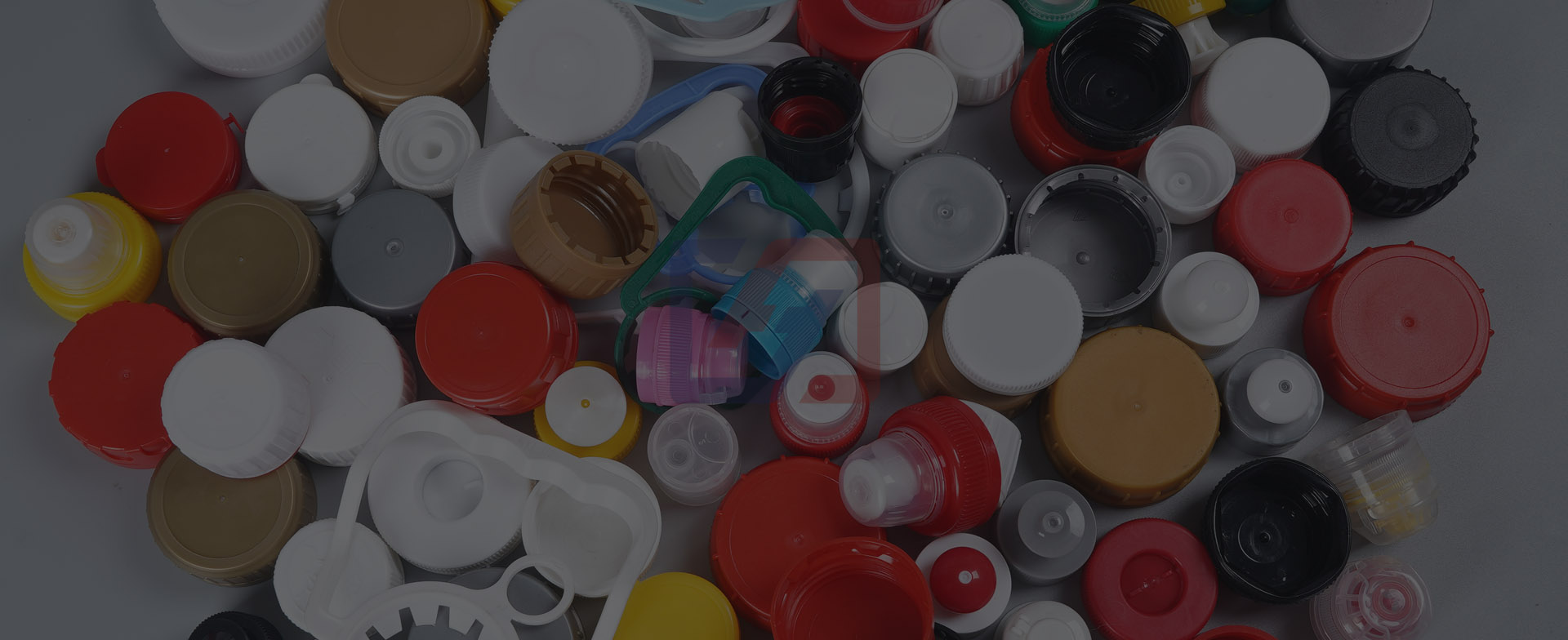
Global Bottle Cap Mould Market Outlook 2026-2032: 5.8% CAGR and Regional Demand Analysis
Published by cap-bottle — Premier China Bottle Cap Mold Manufacturer & High-Speed Closure Tooling Specialist
1. Executive Summary: Capitalizing on Global Closure Tooling Expansion (2026–2032)
The global plastic bottle cap and closure tooling industry is entering a phase of sustained technological transformation and robust capital investment. Driven by accelerating packaged beverage consumption, strict single-use plastic sustainability mandates, and widespread transition toward lightweight and tethered closures, the global bottle cap mould market is projected to expand at a compound annual growth rate (CAGR) of 5.8% between 2026 and 2032.
For international packaging converters and bottling enterprises, keeping pace with this 5.8% growth trajectory requires upgrading legacy production assets with high-cavitation, ultra-fast cycle tooling capable of processing Post-Consumer Recycled (PCR) polyolefins without compromising dimensional stability. As an industry-leading closure tooling specialist in China, cap-bottle empowers global manufacturers to capture regional market opportunities through DMLS conformal cooling, needle valve-gated hot runners, and precision sub-micron engineering.
2. Core Macro & Technical Growth Drivers (2026–2032)
Expansion in closure mold capital expenditure is propelled by four structural shifts across global beverage, pharmaceutical, and personal care packaging sectors:
- Tethered Cap Mandates & Lightweighting (Downgauging): Regulatory compliance frameworks—such as the EU Single-Use Plastics Directive and expanding global equivalents—require closures to remain attached to containers post-opening. Simultaneously, resin cost pressures compel brands to reduce cap weights by 15%–25% while maintaining strict carbonation retention and top-load performance.
- High-Percentage PCR / rHDPE / rPP Integration: Brand circular economy commitments are accelerating the shift toward 30% to 100% recycled polyolefins. Processing PCR resins demands corrosion-resistant steel inserts (S136/1.2083 at HRC 52–56) and enlarged, shear-optimized hot runner architectures to manage Melt Flow Index (MFI) volatility.
- Shift to High-Cavitation & Sub-4-Second Cycle Tooling: To maximize Output Per Square Meter and lower Total Cost of Ownership (TCO), bottling plants are replacing older 24- and 32-cavity tools with high-speed 48-, 64-, 72-, and 96-cavity molds equipped with 3D-printed conformal cooling channels.
- Pharmaceutical & Functional Dispensing Growth: Aging global demographics and rising healthcare spending are fueling demand for tamper-evident, child-resistant, and precision dispensing closures with zero-vestige surface quality.
3. Regional Demand Analysis & Tooling Specifications (2026–2032)
Market expansion and technical tooling priorities vary substantially across major global manufacturing hubs:
| Global Region | Projected Growth Profile | Primary End-Use Drivers | Key Tooling & Engineering Requirements |
|---|---|---|---|
| Asia-Pacific (APAC) | Highest volume growth & rapid capacity expansion | Bottled water, RTD teas, dairy, and edible oils in China, India, and Southeast Asia | High-cavitation (64–96 drops) ultra-fast cycle molds (<3.5s) for lightweight 26/22mm & 29/25mm water closures |
| Europe | Regulation-driven retrofit & circular tooling cycle | Carbonated Soft Drinks (CSD), mineral water, and dairy compliant with EU PPWR | In-mold tethered hinge geometries, 100% rHDPE/rPP compatibility, and energy-efficient electric press integration |
| North America | High-value replacement & automation modernization | Sports drinks, functional beverages, pharmaceuticals, and personal care | Zero-vestige individual needle valve-gated hot runners, snap-in quick-change bushings, and multi-component sports caps |
| Middle East, Africa & LATAM | Strong greenfield bottling plant investments | Packaged drinking water, CSD, and household cleaning products | Turnkey, robust high-longevity tooling (10M+ cycles) engineered for ambient heat stability and minimal maintenance |
4. How cap-bottle Positions Packaging Converters Ahead of the 5.8% CAGR Curve
Capturing market share in a 5.8% CAGR environment requires partnering with a tooling manufacturer that bridges advanced fluid-thermal simulation with sub-micron metallurgical execution. cap-bottle delivers measurable competitive advantages for global closure producers:
- DMLS Micro-Conformal Cooling Optimization: By replacing conventional straight-drilled cooling lines with 3D-printed helical conformal channels contoured within 1.8mm of the cavity surface, we drive turbulent coolant flow ($Re > 4,200$) and slash cycle times below 3.5 seconds.
- Individual Needle Valve-Gated Hot Runners: Mechanical pin shut-off guarantees flush, zero-vestige top decks, eliminating stringing and ensuring seamless feeding on high-speed automated capping lines.
- PCR-Ready Metallurgy & Rheology: Vacuum-hardened ESR stainless steel inserts (S136 / 1.2083 at HRC 52–56) resist acidic degradation from recycled feedstocks, while balanced manifolds handle wide MFI fluctuations without short shots or flash.
- Direct-Assembly Zero-Bench-Fitting Precision: Swiss 5-axis CNC machining and jig grinding guarantee interchangeable components and rapid spare-part replacement, maximizing plant Overall Equipment Effectiveness (OEE).
Partner with cap-bottle for Next-Generation Closure Tooling Solutions
At cap-bottle, we combine deep market foresight with world-class engineering execution. Whether you are expanding production capacity in high-growth APAC markets, upgrading to tethered and PCR-compatible lines in Europe, or optimizing high-output North American facilities, our technical team delivers custom 32- to 96-cavity cap molds engineered for superior speed, durability, and return on investment.