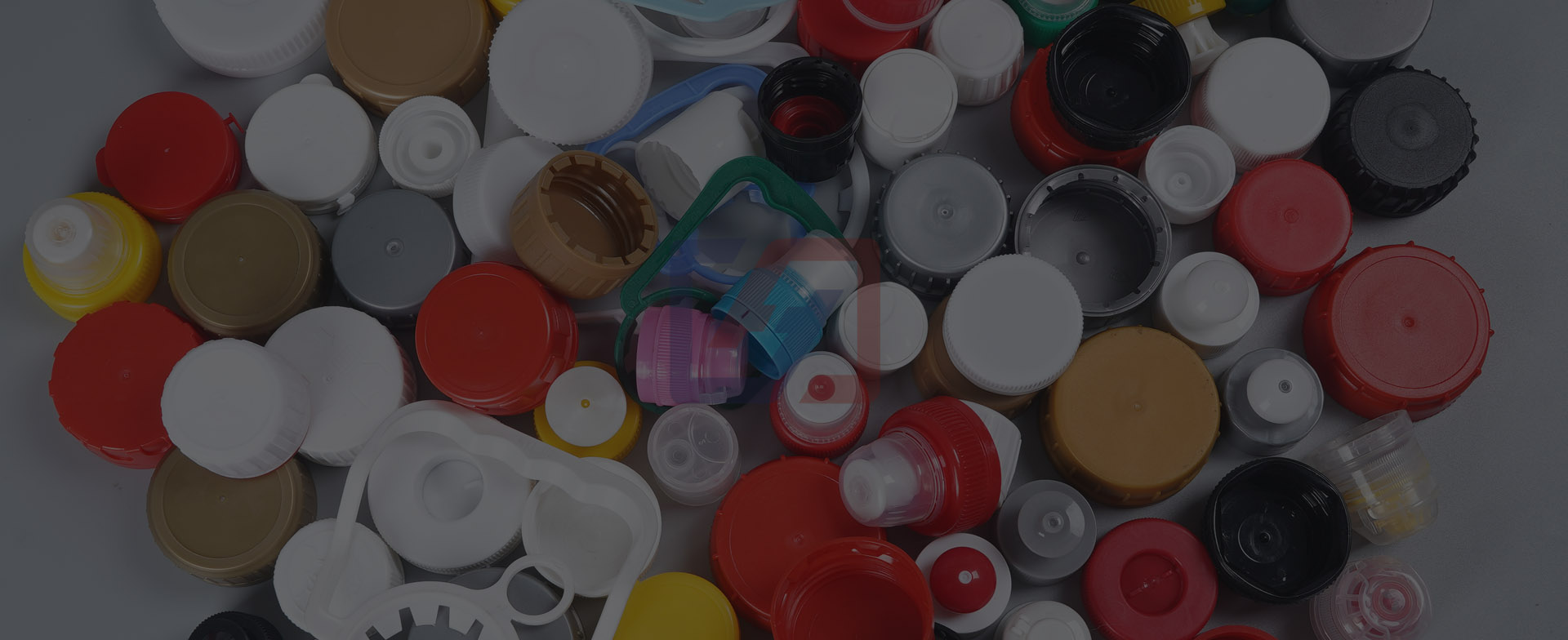
Future Trends in Bottle Cap Mold Technology: Lightweighting, Tethered Caps, and Sustainability
Introduction: The Changing Landscape of Closure Tooling Engineering
The global rigid packaging industry is undergoing a structural transition driven by stringent environmental mandates, evolving consumer expectations, and economic pressures to minimize material costs. Regulations such as the European Union’s Single-Use Plastics Directive (EU 2019/904) have made tethered closures mandatory for single-use beverage containers. Simultaneously, brand owners are targeting aggressive resin weight reductions and increasing the percentage of post-consumer recycled (PCR) polymers in their supply chains.
These industry shifts directly impact plastic cap mold engineering. Manufacturing ultra-thin walls, complex tethering hinge structures, and processing recycled resins with variable melt flow indices (MFI) demands an advanced level of precision tooling. As a premier China-based specialist in high-performance bottle cap molds, cap-bottle delivers high-cavitation tooling systems optimized for next-generation sustainable closures. This technical article explores the key future trends shaping closure mold design and production.
1. Tethered Cap Mold Engineering: Compliance and Kinematic Design
Tethered caps—closures that remain attached to the bottle after opening—eliminate litter and streamline recycling loops. However, adding tethering bands, retaining rings, and dual-latch hinges introduces major tool design complexity.
Key Mold Innovations for Tethered Closures
- Complex Multi-Plane Parting Lines: Tethered designs require intricate slitting geometries or complex in-mold slitting cores to form the tethering arm. cap-bottle engineers high-precision slide mechanisms and micro-actuators that form robust tether bands directly inside the mold, eliminating secondary slitting operations.
- Intuitive Hinge Retention & User Ergonomics: Molds must produce tethered hinges capable of locking the cap back at angles of 130° to 180° during drinking or pouring. This requires precise core pin tooling to form thin flexural bands that maintain mechanical memory without tearing under repeated stress.
- Compatibility with Existing Neck Finishes: Modern tethered cap molds engineered by cap-bottle allow beverage brands to transition to compliant closures across standard PET neck finishes (such as GME 30.37, 26mm short neck, and PCO 1881) without redesigning preform necks or bottle blowing equipment.
2. Next-Generation Lightweighting: Ultra-Thin Walls with Structural Integrity
Cap lightweighting remains one of the most effective ways to lower production costs and reduce carbon footprints. Reducing a closure’s mass by even 0.2 grams yields hundreds of tons in raw resin savings annually across high-volume filling lines.
Overcoming Tooling Challenges in Ultra-Thin Wall Molding
As wall thicknesses drop below 0.6 mm, injection pressures surge and core pins experience significant mechanical deflection. cap-bottle addresses these engineering constraints through advanced tooling strategies:
| Engineering Domain | Legacy Cap Mold Challenge | cap-bottle Next-Gen Lightweight Solution |
|---|---|---|
| Core Concentricity | Core pin shift causes uneven wall thickness and leakage | Sub-micron guide interlocks holding core alignment within ±0.002 mm |
| Cooling Efficiency | Heat traps at dome cause warpage and long cycle times | Direct Metal Laser Sintering (DMLS) 3D-printed helical conformal cooling cores |
| Ejection Dynamics | Thin walls buckle or stress-whiten during stripping | Multi-stage timed stripper sleeves with integrated pneumatic air-assist release |
| Steel Selection | Parting line wear leads to micro-flashing | ESR-grade ASSAB S136 stainless steel (HRC 52–54) with DLC anti-wear coating |
3. Sustainable Polymers: Tooling Design for rHDPE and rPP Processing
Incorporating Post-Consumer Recycled (PCR) polymers—such as rHDPE and rPP—presents major processing challenges. Recycled resins exhibit broad Melt Flow Index (MFI) variations, trace contaminants, and inconsistent thermal shrinkage behavior compared to virgin polymers.
Molding Adaptation for Recycled Resins
- Rheologically Balanced Valve Gate Hot Runners: cap-bottle hot runner systems feature naturally balanced internal channels with smooth radius bends and individual zone thermal control to process wide MFI bands without shear burning or pressure spikes.
- Advanced Micro-Venting Networks: Outgassing from recycled resin additives causes gas traps and burn marks. Micro-venting grooves (0.012 mm to 0.015 mm deep) positioned along thread crests allow trapped gases to escape cleanly.
- Dynamic Shrinkage Compensation: Using Moldflow predictive thermal modelling, core and cavity dimensions are customized to handle the non-linear shrinkage characteristics of PCR blends, ensuring perfect thread pitch and capping torque performance.
4. Smart Tooling and Energy-Saving Technologies
The future of cap mold manufacturing is inextricably tied to overall plant energy reduction and intelligent process automation.
- Low-Friction Surface Engineering: Applying Physical Vapor Deposition (PVD) and Diamond-Like Carbon (DLC) coatings across moving mold inserts drops friction coefficients below 0.08. This enables grease-free cleanroom operation, lowers drive motor electrical consumption, and extends maintenance intervals past 5 million cycles.
- Sensor-Integrated Intelligent Molds: Embedding piezoelectric cavity pressure sensors and real-time thermocouples inside individual cavity inserts enables closed-loop process monitoring. Smart molds automatically detect short shots or flash conditions, signaling machine controllers to adjust parameters or segregate non-conforming parts instantly.
5. Why Partner with cap-bottle for Next-Generation Closure Tooling?
Navigating regulatory compliance, resin lightweighting, and sustainable processing requires deep domain specialization. As a leading Chinese precision bottle cap mold manufacturer, cap-bottle delivers end-to-end tooling expertise:
- Custom DFM & Prototype Validation: Complete finite element analysis (FEA) and filling simulations to evaluate lightweighting and tethered hinge performance before steel cutting.
- High Cavitation Manufacturing: Turnkey multi-cavitation molds (32, 48, 72, and 96 cavities) engineered for sub-3.0 second cycle times.
- Ultra-Precision CNC Machining: Sub-micron 5-axis machining centers ensuring 100% component interchangeability across all core and cavity inserts.
Frequently Asked Questions (FAQ)
What makes tethered cap molds more complex than standard screw cap molds?
Tethered cap molds must form intricate retaining bands and hinged latches directly within the mold cavity. This requires complex side-action mechanisms, precise parting line alignment, and specialized ejection timing to release the tether band without damaging the hinge.
How does cap-bottle handle resin variance when processing rHDPE or rPP?
We design custom hot runner manifolds with balanced flow channels and precise multi-zone heating. Combined with advanced cavity micro-venting and DFM shrinkage modeling, our molds maintain strict dimensional tolerances even with recycled resin batch variations.
Can conformal cooling cores reduce energy consumption in cap molding?
Yes. 3D-printed conformal cooling channels follow the exact 3D contour of the core pin, extracting heat uniformly. This allows higher coolant water supply temperatures (reducing chiller electricity load) while shortening cooling phase duration to achieve faster cycle times.