The surface of a bottle cap is the first thing consumers see and touch. It communicates quality, builds brand perception, and influences purchasing decisions. A smooth, glossy cap suggests premium quality. A matte finish conveys modern sophistication. A textured grip surface promises easy opening.
But surface texture is not merely cosmetic. It affects how the cap performs in critical ways. Texture influences how easily the cap releases from the mold. It affects how the cap feels in the consumer's hand. It impacts how the cap interacts with sealing surfaces. It determines how well the cap resists scratching during handling and shipping.
At Shuanghao, we understand that mold surface texture is a precision engineering discipline, not an afterthought. This article explores how surface texture affects cap performance and aesthetics, and how we achieve the perfect finish for every application.
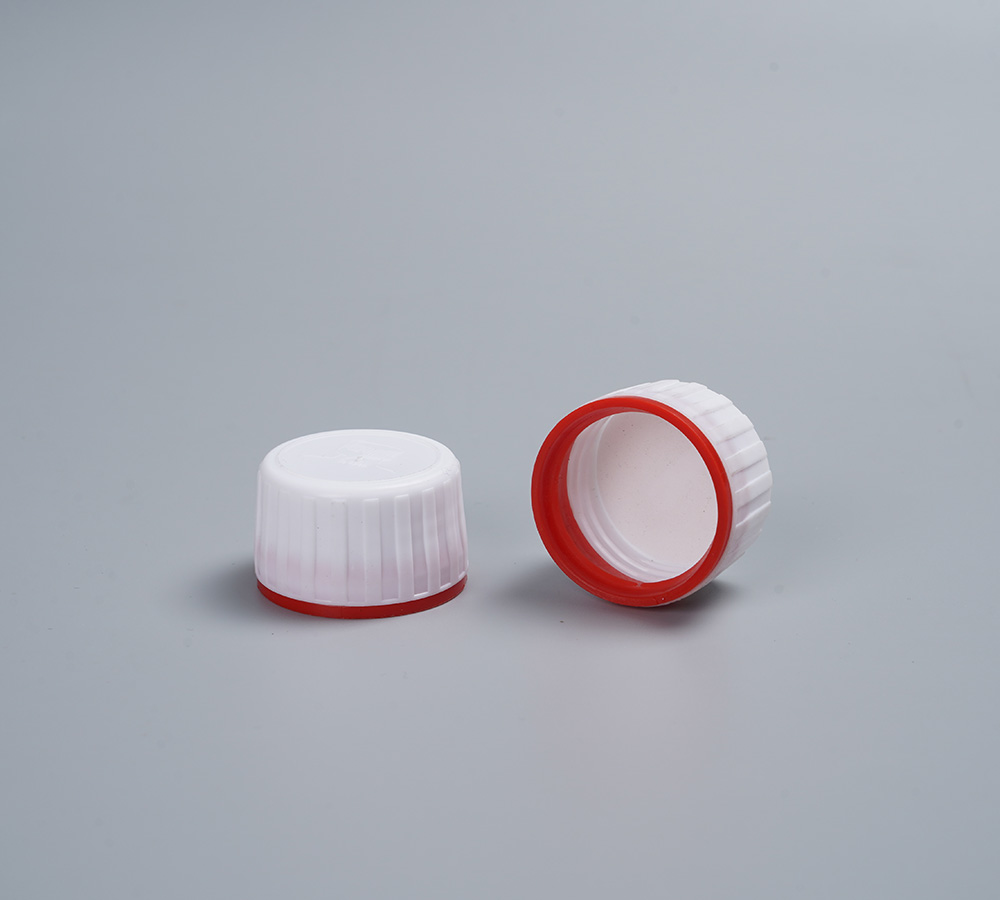
Mold surface texture refers to the microscopic and macroscopic features of the cavity surface that are transferred to the cap during molding.
Measurement Parameters
Surface texture is quantified using several parameters. Ra is average roughness measured in micrometers, representing the average deviation from the mean surface. Rz is the average maximum height of profile peaks and valleys. RSm is the average spacing of profile irregularities.
Different applications require different surface specifications.
How Texture Transfers
The mold cavity surface is replicated onto the cap surface during injection molding. Molten plastic conforms to every detail of the cavity. Surface features as small as 0.1 micrometers are faithfully reproduced. The cap surface finish exactly matches the mold cavity finish.
Shuanghao offers a range of surface texture options for different cap applications.
High-Gloss Polished Finish
High-gloss finishes are achieved through diamond polishing to Ra 0.05 to 0.1 micrometers. These finishes create mirror-like cap surfaces with premium appearance.
Applications include cosmetic and personal care caps where visual appeal drives purchasing decisions, premium beverage caps for luxury water or spirits, and caps where brand colors must appear vibrant and saturated.
Benefits include exceptional visual appeal, easy cleaning of cap surfaces, and minimal friction for smooth consumer handling.
Matte Finish
Matte finishes are achieved through fine EDM or media blasting to Ra 0.8 to 2.0 micrometers. These finishes create non-reflective, soft-touch surfaces.
Applications include modern, minimalist packaging designs, caps where fingerprints would be undesirable, and applications requiring a non-slip grip surface.
Benefits include hiding minor surface imperfections, reducing visible fingerprints and smudges, and providing a soft, premium tactile feel.
Fine Texture for Grip
Fine grip textures are achieved through specialized EDM or chemical etching to Ra 2.0 to 5.0 micrometers. These finishes provide enhanced friction for easy opening.
Applications include caps for elderly or arthritis sufferers who need extra grip, sports drink caps for sweaty hands, and large-diameter caps requiring additional torque.
Benefits include improved grip under wet or oily conditions, reduced force required for opening, and enhanced user confidence.
Coarse Texture for Industrial Caps
Coarse textures are achieved through aggressive EDM or bead blasting to Ra 5.0 to 10.0 micrometers. These finishes provide maximum grip for demanding applications.
Applications include industrial chemical caps where gloves reduce grip sensitivity, heavy-duty caps requiring high opening torque, and caps exposed to oily or wet environments.
Benefits include maximum friction for secure gripping, reduced likelihood of cap slippage, and durability under harsh conditions.
Patterned and Decorative Texture
Custom patterns are achieved through specialized machining or laser texturing. These finishes create logos, designs, or brand elements on cap surfaces.
Applications include brand logos embossed or debossed into cap surfaces, decorative patterns for premium packaging, and functional patterns such as grip ribs or finger ledges.
Benefits include enhanced brand recognition, premium appearance for luxury products, and differentiation from competitors.
Beyond aesthetics, surface texture provides critical functional benefits.
Ejection Performance
Surface texture affects how easily the cap releases from the mold cavity. Polished surfaces provide lowest ejection force, ideal for thin-walled caps or deep draw features. Matte and textured surfaces increase ejection force, requiring stronger ejector systems or draft angle adjustments.
Shuanghao balances texture requirements with ejection performance. Draft angles are increased for textured surfaces. Ejector systems are sized for expected ejection forces. Surface transitions are managed to prevent sticking.
Grip and Ergonomics
Texture significantly affects how consumers interact with caps. Smoother finishes require more grip force, which may be difficult for elderly or arthritis sufferers. Textured finishes provide mechanical grip, reducing required grip force.
Shuanghao works with customers to specify texture levels appropriate for target users.
Sealing Performance
Texture on sealing surfaces affects cap performance. Sealing surfaces require smooth finishes of Ra 0.2 micrometers or less for reliable sealing. Rough sealing surfaces create leak paths. Texture transitions near sealing areas must be carefully managed.
Scratch and Mar Resistance
Texture affects visible scratch resistance. Polished surfaces show scratches more readily. Matte and textured surfaces hide minor scratches and wear. Shuanghao considers end-use handling when recommending surface finishes.
Shuanghao employs multiple methods for creating mold surface textures.
Diamond Polishing
Diamond polishing uses progressively finer diamond abrasives to achieve mirror finishes. It produces Ra 0.05 to 0.1 micrometers for high-gloss applications. The process requires skilled craftsmen and specialized equipment.
Shuanghao's polishing technicians have decades of experience achieving optical-grade finishes.
Mechanical Polishing
Mechanical polishing uses abrasive stones and papers to achieve standard finishes. It produces Ra 0.2 to 0.8 micrometers for general-purpose applications. The process is suitable for most cap molds.
EDM Texturing
Electrical discharge machining creates texture through controlled electrical erosion. EDM can produce matte finishes from Ra 0.8 to 5.0 micrometers. It can also produce custom patterns and logos.
Shuanghao uses specialized EDM generators for consistent, repeatable texture application across all cavities.
Media Blasting
Media blasting uses fine particles propelled at the cavity surface. Glass bead blasting produces uniform matte finishes. Aluminum oxide blasting produces more aggressive textures. Media blasting is suitable for large surface areas.
Chemical Etching
Chemical etching uses acids to create controlled surface erosion. It produces uniform textures across complex geometries. It is ideal for large molds with many cavities. It can replicate natural patterns such as leather or wood grain.
Laser Texturing
Laser texturing uses focused laser beams to create precise surface features. It produces custom patterns and logos with high accuracy. It is ideal for textured brand elements and decorative patterns. It allows digital control of texture parameters.
For multi-cavity molds, texture consistency is essential.
Cavity-to-Cavity Variation
Every cavity must have identical surface texture. Shuanghao uses identical finishing processes for all cavities. Processing parameters are documented and controlled. Sample cavities are inspected before full production.
Inspection Methods
Surface texture is verified using contact profilometers that measure Ra and other parameters. Optical comparators provide visual comparison to texture standards. Replica materials allow texture measurement of internal surfaces.
Problem: Inconsistent Gloss Across Cavities
Inconsistent gloss indicates texture variation. Solutions include verifying finishing processes are identical for all cavities, checking for EDM parameter variation, inspecting for polishing media contamination, and requalifying cavities with gloss measurement.
Problem: Texture Transfer Issues
Poor texture transfer results in caps with insufficient texture. Solutions include increasing mold temperature for better replication, increasing injection pressure for complete cavity fill, checking for venting issues that trap air, and verifying material flow properties.
Problem: Texture Damage During Molding
Texture damage appears as scratches, wear, or erosion. Solutions include verifying material does not contain abrasive fillers, checking for proper mold release agents, inspecting for flash that can damage surfaces, and considering hard coatings for wear resistance.
Customer Case: Premium Cosmetic Brand
A premium cosmetic brand wanted a distinctive cap finish that would convey luxury and quality. The cap needed a soft-touch matte exterior with high-gloss brand logo.
Shuanghao produced a mold with EDM matte finish on exterior surfaces and polished steel inserts for the logo area. The result was a premium cap that perfectly matched the brand's aesthetic vision.
Customer Case: Senior-Friendly Beverage Cap
A beverage company needed caps that elderly consumers could open easily. Existing caps were too smooth, requiring significant grip strength.
Shuanghao added fine grip texture to the cap sides while maintaining a smooth top surface for branding. Opening force required decreased by 35 percent. Consumer testing showed 95 percent of seniors could open the cap easily.
Shuanghao's mold surface texture expertise delivers multiple finishing options from high-gloss to coarse texture for every application. Functional benefits include optimized ejection, enhanced grip, reliable sealing, and scratch resistance. Multiple manufacturing methods include diamond polishing, EDM, media blasting, chemical etching, and laser texturing. Cavity-to-cavity consistency ensures identical texture across all cavities. Quality inspection verifies Ra values, visual appearance, and texture transfer.
Mold surface texture is far more than a cosmetic consideration. It is a precision engineering discipline that affects cap performance, user experience, and brand perception.
Shuanghao's texturing expertise delivers caps that look beautiful, feel premium, open easily, seal reliably, and release cleanly from the mold. Whether you need high-gloss luxury finishes or aggressive industrial grip textures, Shuanghao has the technology and experience to achieve your requirements.
Choose Shuanghao. Choose texture that performs.