
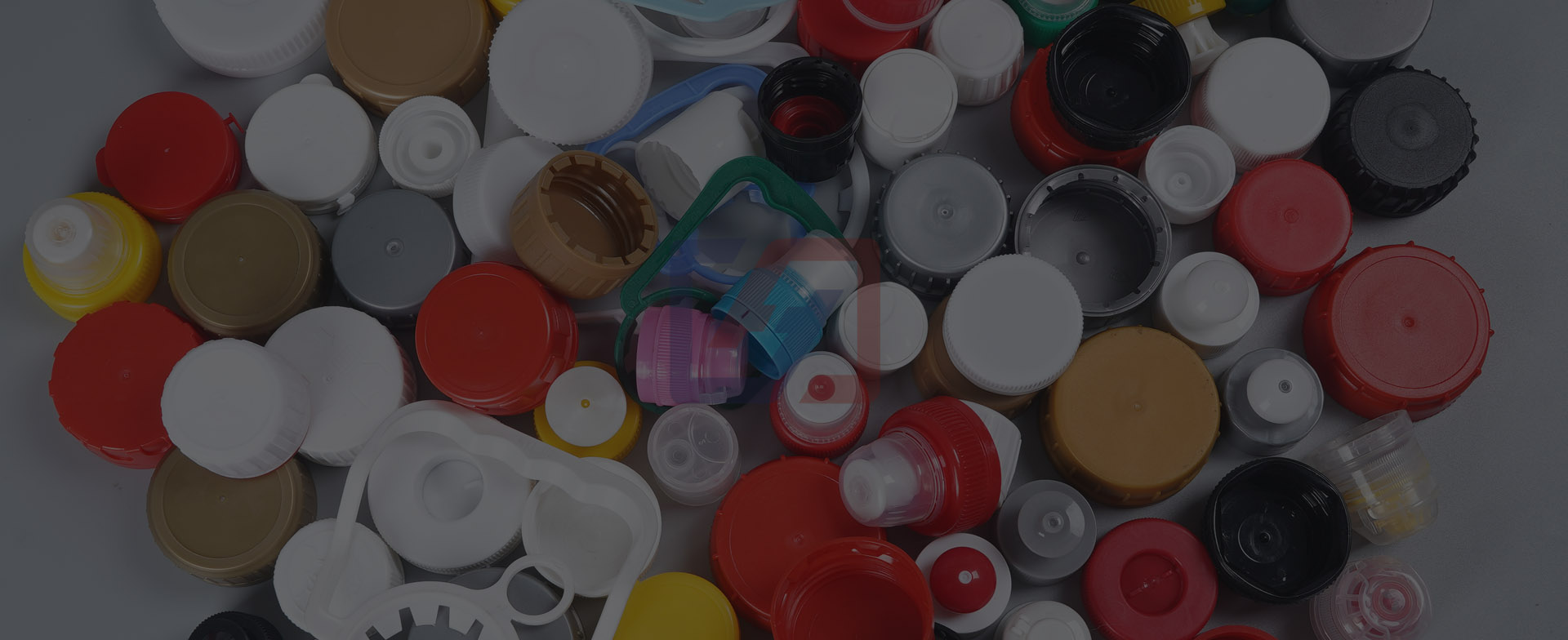
Not all caps seal through their own geometry. Many rely on a separate component—the liner—to create the seal. The liner sits inside the cap, compressed against the bottle rim when the cap is tightened. It conforms to surface irregularities, compensates for dimensional variation, and provides superior barrier properties.
Caps with integrated liners are common in pharmaceuticals (induction seals for tamper evidence), food products (foam liners for jar closures), and industrial chemicals (chemical-resistant liners). But molding caps that reliably hold liners presents unique challenges.
The liner must stay in place during shipping and handling. The liner seat must be flat and smooth. Liner retention features must hold the liner without damaging it. The cap must be compatible with automated liner insertion equipment.
At Shuanghao, we have developed specialized mold solutions for caps with integrated liners. This article reveals our approach to engineering these closures.
Before discussing solutions, it is essential to understand what integrated liners are and how they function.
What Is an Integrated Liner?
An integrated liner is a separate component placed inside the cap. It is not molded as part of the cap; it is inserted after molding. The liner creates the sealing interface between the cap and the bottle. Liners are typically made of foam, foil, paper, or plastic films.
The cap must be designed to hold the liner securely. The liner seat is the surface against which the liner sits. Retention features prevent the liner from falling out.
Types of Liners
Foam liners are made of polyethylene or polyurethane foam. They are compressible and conform to surface irregularities. They are common on pharmaceutical and food jars.
Induction liners use a foil layer that is heat-sealed to the bottle via electromagnetic induction. They provide tamper evidence and an excellent moisture barrier. They are common on over-the-counter medications.
Pressure-sensitive liners adhere to the bottle rim when compressed. They are common on spice jars and some food products.
Paper liners are used for some dry products. They are low cost but provide minimal barrier.
Push-pull liners use a flexible membrane with a slit that opens under pressure.
The liner seat is the most critical feature of a liner cap.
Liner Seat Geometry
The liner seat must be flat to ensure even liner compression. Shuanghao targets flatness of 0.05mm or better across the entire seat. The seat must be wide enough to support the liner. Typical seat width is 2-5mm depending on cap size. The seat must be smooth to prevent liner damage. Shuanghao recommends Ra 0.4 micrometers or smoother.
Liner Seat Depth
The depth of the liner seat determines how much the liner is compressed. Too shallow, and the liner is over-compressed, potentially damaging it. Too deep, and the liner is under-compressed, causing leakage.
Shuanghao calculates optimal seat depth based on liner thickness and compressibility. Typical compression is 20-40 percent of original liner thickness.
Liner Seat Surface
The liner seat surface must be smooth but not necessarily polished. Too rough, and the liner may not seal. Too polished, and the liner may slip. Shuanghao recommends Ra 0.2-0.4 micrometers for most liner applications.
The cap must hold the liner securely during shipping and handling.
Retention Mechanisms
Barbs are small protrusions that grip the liner edge. They are effective for foam liners. Under the cut is a slight undercut that traps the liner. This is common on induction liner caps. Interference fit uses a liner seat slightly smaller than the liner diameter, creating a press fit. Heat staking uses heat to deform plastic over the liner edge.
Shuanghao selects retention mechanisms based on liner type and application requirements.
Retention Design Guidelines
Retention features should not damage the liner. Sharp edges can cut foam liners. Retention features must release the liner cleanly during capping. The liner should not fall out during handling. Shuanghao tests retention with simulated shipping vibration.
Ejection Considerations for Liner Caps
Ejector pins must not interfere with liner retention features. Sleeve ejectors are preferred for liner caps. Air ejection may be used for delicate liner seats. Ejector pin placement must avoid the liner seat area.
Liner compatibility depends on both the cap material and liner material.
Polypropylene Caps
PP is compatible with most liners, including foam, induction, and pressure-sensitive. PP has good chemical resistance. It is suitable for food and pharmaceutical applications. Surface energy may require treatment for pressure-sensitive liners.
HDPE Caps
HDPE is compatible with most liners. It has excellent chemical resistance. It is common for industrial and chemical containers. It may require surface treatment for some adhesive liners.
Liner Adhesion
Pressure-sensitive liners require adequate surface energy for adhesion. Shuanghao recommends corona or plasma treatment for PP and HDPE caps. Surface energy should be 38-42 dynes/cm for reliable adhesion. Treatment should be verified with dyne test pens.
Specialized mold design features are required for liner caps.
Liner Seat Cavity
The liner seat cavity must be precisely machined. Flatness is critical. Surface finish must be smooth. The transition between liner seat and cap sidewall should be radiused.
Gate Placement
Gates should be placed away from the liner seat. Gate vestige on the liner seat can interfere with liner seating. Shuanghao positions gates on the cap sidewall or top panel.
Cooling Considerations
The liner seat area must cool uniformly to maintain flatness. Shuanghao's conformal cooling ensures uniform heat extraction. Uneven cooling can warp the liner seat.
Ejection System
Sleeve ejectors are recommended for liner caps. They push the cap rim without contacting the liner seat. Ejector pins, if used, must be placed outside the liner seat area.
Liner caps require specialized quality control.
Liner Seat Inspection
Flatness is measured using CMM or optical methods. Surface finish is verified with profilometer. Diameter is checked for proper liner fit.
Liner Retention Testing
Liner pull-out force is measured. Caps are shaken or vibrated to simulate shipping. Liners should not fall out.
Liner Seal Testing
Leak testing verifies liner seal integrity. Vacuum decay or pressure testing is used. Testing is performed with liners inserted.
Problem: Liner Falling Out
Liner fallout indicates insufficient retention. Solutions include adding barbs or undercuts, increasing interference fit, reducing liner seat diameter, and adding heat staking.
Problem: Liner Not Sealing
Leakage indicates inadequate liner compression or uneven seat. Solutions include verifying liner seat flatness, increasing compression (shallower seat), checking liner thickness consistency, and verifying bottle finish.
Problem: Liner Wrinkling
Wrinkled liners indicate liner seat is too large or liner is too thin. Solutions include reducing liner seat diameter, using thicker liner, adding liner support ribs, and verifying liner insertion alignment.
Problem: Induction Liner Not Sealing
Induction seal failure indicates insufficient heat or pressure. Solutions include verifying cap torque, checking liner presence, inspecting induction coil function, and verifying bottle finish cleanliness.
Customer Case: Pharmaceutical Induction Seal
A pharmaceutical manufacturer needed caps with induction liners for tamper-evident sealing. Liners were falling out before reaching the filling line. The fallout rate was 3-5 percent.
Shuanghao added undercut retention features to the cap. Liner seat depth was optimized for proper compression. Liner pull-out force increased from 0.5N to 3.0N. Fallout was eliminated entirely.
Customer Case: Food Jar Foam Liner
A food company needed caps with foam liners for sauce jars. The liner seat was warping during molding, causing uneven compression and occasional leakage.
Shuanghao added conformal cooling channels near the liner seat. Cooling time was increased by 1 second. Liner seat flatness improved from 0.12mm to 0.04mm. Leakage complaints dropped by 90 percent.
Shuanghao's specialized solutions for caps with integrated liners deliver precision liner seat design with flatness control, optimal depth, and smooth surface finish. Reliable retention features including barbs, undercuts, interference fit, and heat staking. Mold design optimized with gate placement away from liner seat, conformal cooling for flatness, and sleeve ejection. Material compatibility guidance for PP, HDPE, and surface treatment requirements. Quality control including liner seat inspection, retention testing, and seal validation.
Caps with integrated liners require specialized design and manufacturing expertise. The liner must stay in place during handling, seat properly against the bottle, and seal reliably.
Shuanghao's solutions for caps with integrated liners deliver liner seats that are flat, smooth, and properly dimensioned, retention features that hold liners securely, molds that produce consistent liner seats cavity after cavity, and quality systems that validate performance.
Whether you need foam liners for food jars, induction liners for pharmaceuticals, or pressure-sensitive liners for spices, Shuanghao has the liner cap expertise to meet your requirements.
Choose Shuanghao. Choose liners that stay. Choose seals that hold.